
Miami’s Unique Driving Risks and Why the Right Coverage Matters
Driving in Miami is a blend of sun-soaked boulevards and fast-moving expressways, but it also comes with a risk profile that’s very different from most U.S. cities. Between I-95, the Palmetto (SR-826), the Dolphin (SR-836), and tourist-heavy corridors near Miami Beach, collision frequency can be higher than average. Add in seasonal visitors who may not be familiar with local traffic patterns, dense parking garages in Brickell, and construction zones across Doral and Wynwood, and it’s clear why car insurance in Miami requires thoughtful choices—not just the legal minimums.
Florida is a no-fault state, which means every driver’s policy includes Personal Injury Protection (PIP). The state minimum is often $10,000 in PIP and $10,000 in Property Damage Liability (PDL). While that satisfies registration requirements, it can leave big gaps. Bodily Injury Liability (BIL) isn’t mandated for most drivers, yet hospital bills and legal costs can spike quickly after a serious crash. Miami’s dense urban setting means even minor fender benders can involve multiple vehicles, and repair costs for modern cars—especially EVs and luxury models common around Edgewater and Coral Gables—are higher than ever.
Storms are another defining risk. From mid-year through late fall, tropical systems can bring wind, hail, and floods. King tides and flash flooding can turn side streets into shallow lagoons in minutes, and saltwater exposure can total a vehicle even if it looks drivable. Remember: flood damage is not a homeowners insurance issue for your vehicle—it’s handled under your auto policy’s comprehensive coverage. If you routinely park at street level in flood-prone zones or live near the coast, setting a sensible comprehensive deductible is critical.
Finally, Florida historically ranks high for uninsured drivers, which makes Uninsured/Underinsured Motorist (UM/UIM) coverage especially valuable. Consider a Brickell garage scrape with a driver who leaves the scene, or a hit in a Little Havana parking lot where the at-fault party lacks enough coverage—UM/UIM helps protect your finances for injuries and, depending on your policy, property losses too. The bottom line: Miami’s mix of congestion, weather, tourism, and vehicle theft risk demands coverage that’s built for local realities, not one-size-fits-all plans.
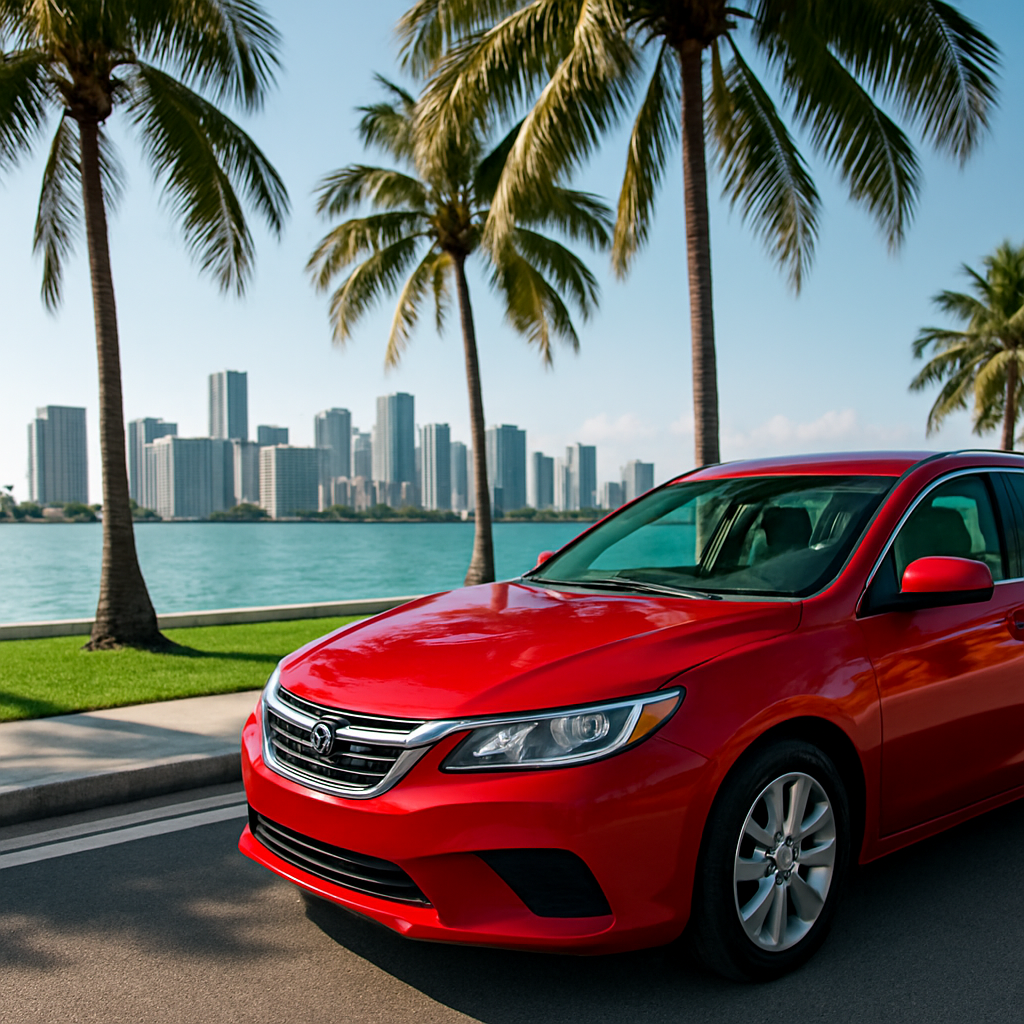
What Coverage Do You Need in Miami? A Practical Breakdown and Real Costs
Start with strong liability limits. Many Miami drivers choose Bodily Injury Liability of $100,000 per person/$300,000 per accident or higher, plus at least $50,000 in Property Damage Liability. This helps protect your assets if you’re sued after a serious crash. Keep the state-required PIP at $10,000, and consider adding Medical Payments (MedPay) to help with out-of-pocket medical costs like deductibles or co-pays.
UM/UIM is a smart add-on in South Florida. You can select stacked or non-stacked options; stacked UM on multiple vehicles can increase your available protection per accident. For physical damage to your own car, combine collision (for crash damage) and comprehensive (for theft, vandalism, flood, hail, fire, and falling objects). Opting for a $500 or $1,000 deductible can balance premiums with manageable out-of-pocket costs after a loss. Florida often provides zero-deductible windshield repair or replacement with comprehensive coverage on private passenger vehicles—an advantage in a city where construction debris and expressway gravel are common.
Beyond the basics, tailor your plan to your lifestyle. Drive for a rideshare platform on nights in Midtown? Ask about a rideshare endorsement to close coverage gaps between personal and commercial use. Parking in a coastal or flood-prone zone? Keep comprehensive active year-round and consider rental reimbursement so you can stay mobile after a storm claim. Financing a car? Gap coverage helps cover the loan balance if your vehicle is totaled and you owe more than it’s worth. Frequent road trips to the Keys? Roadside assistance can save the day after a blowout or dead battery on the Seven Mile Bridge.
What about price? In Miami, full-coverage premiums typically range from about $2,500 to $4,000 per year for a clean-driving 30-year-old with a mid-priced vehicle, while minimum-liability policies often run $1,000 to $1,800 annually. A 30-year-old with a 2019 compact might see $220–$320 per month for robust coverage, while adding a teen driver can raise monthly costs by $150–$300 or more. Discounts help: safe driver telematics, bundling home and auto, good student, pay-in-full, defensive driving for mature drivers, and anti-theft features can all bring rates down. The most cost-effective policy balances meaningful limits with smart deductibles and targeted endorsements that reflect how and where you drive in Miami.
Smart Shopping in the 305: How to Compare, Save, and Get Claims Paid Fast
Comparison shopping is essential—but make it apples-to-apples. Align liability limits, UM/UIM, deductibles, and add-ons across all quotes before judging price. If you live in a high-rise near Biscayne Bay or park on the street in South Beach, weigh a slightly higher premium for stronger comprehensive protection against flood, theft, and vandalism. Consider how your commute on SR-836 or US-1 affects risk; higher daily mileage can justify robust coverage if your vehicle is critical to work or family routines.
Take advantage of tools that reward safe habits. Telematics programs monitor braking, acceleration, time of day, and phone use to offer customized discounts. If you’re a careful driver and mostly use your car during daylight, you can earn meaningful savings. Bundling auto with home or renters insurance often delivers double-digit discounts, and keeping a continuous coverage history prevents expensive lapse penalties. If your car loan or lease has stipulations for collision and comprehensive with specific deductibles, make sure your policy matches those requirements to avoid surprises.
Miami’s storm season calls for proactive planning. Photograph your vehicle (interior and exterior) before peak hurricane months, store insurance ID cards digitally, and know your roadside and rental reimbursement limits. If flooding threatens, move your car to higher ground—saltwater can cause hidden corrosion that leads to a total loss. After a loss, document everything: location, weather, photos of damage, and police or incident reports for theft or hit-and-run. Prompt reporting and clear documentation streamline claims, especially after citywide events when carriers receive a surge of requests.
Language access and local expertise matter. Working with a Miami-based agent who understands neighborhoods from Kendall to Hialeah means guidance grounded in real traffic patterns, storm exposures, and local regulations. Annual policy reviews are key when life changes: new teen driver, vehicle upgrade, relocation, or job shift that alters your commute. Adjusting limits and deductibles at those milestones helps maintain value and protection. When you’re ready to compare options tailored to Miami’s roadways and weather, explore car insurance Miami to align coverage with how you actually live and drive in South Florida.
Practical savings tips can compound over time. Ask about multi-car policies, anti-theft device credits, and defensive driving courses. Clean up old violations by setting reminders for license and registration renewals. Protect your credit score, which can influence rates in Florida. Review coverage every renewal to avoid paying for outdated endorsements, and update mileage if you’ve shifted to hybrid work. Purposeful, locally informed decisions help keep costs manageable while maintaining the strong protection Miami’s roads—and weather—demand.

Sofia cybersecurity lecturer based in Montréal. Viktor decodes ransomware trends, Balkan folklore monsters, and cold-weather cycling hacks. He brews sour cherry beer in his basement and performs slam-poetry in three languages.