
What Are Custom Coloring Pages and Why They’re Changing How We Create
Custom coloring pages turn personal ideas, snapshots, and stories into black‑and‑white line art that’s ready to print and color. Instead of hunting through generic downloads, you can describe exactly what you want—“a friendly robot watering a rooftop garden at sunset,” “Grandma’s terrier chasing butterflies,” or “a pirate ship in a storm”—and get a clean, printable design that fits your theme. This approach blends the speed of modern AI with the charm of hand‑colored art, creating a fast, screen‑free activity that still feels deeply personal.
What makes this shift so powerful is accessibility. With a short text prompt or an uploaded photo, advanced tools now generate crisp outlines that capture the essence of a scene without clutter. That means fewer distractions for colorists and better results for beginners and enthusiasts alike. Whether you’re prepping a rainy‑day craft for kids, a mindfulness activity for adults, or a unique keepsake, custom coloring pages reduce the friction between inspiration and creation.
The variety is another game‑changer. You can tailor difficulty based on the audience: larger shapes and simple backgrounds for toddlers, mid‑level detail for grade‑schoolers, or intricate patterns and textures for relaxation sessions after work. The linework can be tuned to your goals—bold outlines for markers, finer contours for colored pencils, or open areas for watercolor washes. It’s a flexible canvas that adapts to age, skill, and medium.
Practicality matters too. Because designs are delivered as printable black‑and‑white line art, you don’t need specialized software or art skills. You can print at home, share a PDF with a classroom, or compile a whole theme into a spiral‑bound gift. If you’re curious to try it, platforms like custom coloring pages make it simple to turn ideas or photos into art in seconds.
Most importantly, personalization invites engagement. Kids are excited to color their own pet, their school mascot, or a scene from last weekend’s hike. Adults enjoy mindful coloring when the subject resonates—favorite cities, plants, hobbies, or family memories. By reflecting what people love, custom coloring pages spark longer attention spans, more thoughtful color choices, and finished pages worth saving.
Practical Uses: Classrooms, Parties, Therapy, and Everyday Creativity
For educators, custom coloring pages are a secret weapon. A science teacher can align coloring sheets with a specific unit—life cycles, weather systems, ocean zones—so each page becomes a visual organizer that reinforces vocabulary. One fifth‑grade teacher, Ms. Rivera, produced a series on “Habitats of the Southwest,” pairing each page with a short reading passage and labeling exercise. The outlines guided students’ focus, while the act of coloring provided a calming rhythm that kept the room engaged. Because the art was tailored to local flora and fauna, retention improved and classroom pride soared.
At home, parents use personalized pages to add magic to everyday moments. Imagine a birthday party where each guest receives a page starring the honoree’s favorite animal in a party hat, or a scavenger‑hunt coloring book for a museum trip where kids color artifacts they actually saw. One parent, Jordan, transformed a candid photo of a beloved cat into a coloring page labeled with the pet’s name and fun facts. The final result doubled as a keepsake and a quiet‑time activity during a family gathering. For travel, printing a small booklet of pages themed around the destination (mountains, landmarks, foods) turns downtime into discovery.
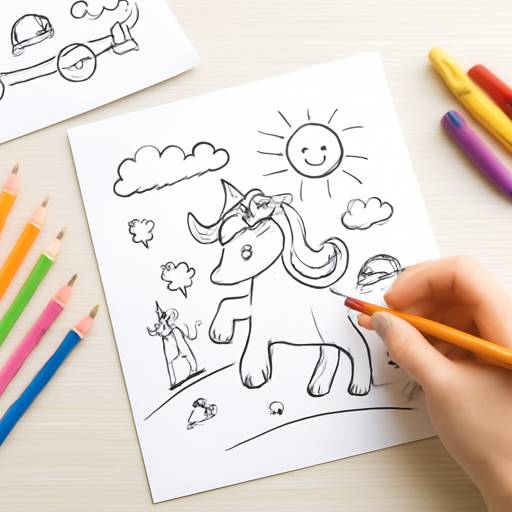
Therapists and activity directors value custom coloring pages for mindfulness and motor skill support. Because subjects can be personal—gardens patients tended, sports teams they follow, or local scenes—they offer emotional relevance that encourages participation. Elder‑care programs may choose bold, high‑contrast outlines for visibility, while occupational therapists might specify large, repetitive shapes that promote steady hand movements. The ability to dial up or down the complexity ensures that every participant can experience success.
Community groups and small businesses also benefit. Libraries host family craft nights where attendees generate a themed page on the spot—local history, seasonal events, or storybook characters—and take home a printed copy. Coffee shops create free activity sheets featuring their storefront and a latte art motif for parents to enjoy a peaceful break. Boutique retailers bundle a mini coloring book with purchases during holiday promotions. Because designs can reflect logos, storefronts, and neighborhood landmarks, the activity becomes organic storytelling that builds brand affinity without feeling like an ad.
For creative hobbyists, the possibilities expand further: wedding welcome bags with scenes from the couple’s story, a personalized “color your trail” booklet for hiking clubs, or a monthly challenge where friends share prompts and vote on their favorite pages. When coloring reflects one’s world—people, places, and passions—engagement isn’t forced; it’s inevitable.
How to Get the Best Results: Tips for Prompts, Photos, and Printing
Start with strong prompts. Think of a prompt as a recipe that lists subject, action, setting, and style. “A cozy fox reading under a mushroom, forest background, whimsical style, bold outlines” gives clearer direction than “fox.” Add medium cues like “stained‑glass effect,” “zentangle patterns,” or “storybook linework” if you have a vibe in mind. If you’re creating pages for young kids, specify “simple shapes, minimal background” to reduce visual noise. For adult relaxers, try “intricate patterns,” “fine hatching,” or “ornamental borders.” The more you guide line weight, complexity, and mood, the closer the output will match your vision.
When using photos, choose images with good lighting and clear subjects. High contrast helps the AI separate edges into clean outlines. Center the subject, avoid heavy motion blur, and remove clutter if possible. If the background is busy, crop to focus on the key elements—a pet’s face, a person’s profile, or a single object. For group shots, mention which person to highlight or request a simplified composition. Always ensure you have permission to use personal photos, and be mindful of copyrighted characters or logos unless you have rights to reproduce them.
Plan output for the coloring tools you prefer. Markers benefit from thicker outlines and wider shapes to prevent bleed‑through and muddy edges. Colored pencils shine with mid‑weight lines that leave room for shading. If you like watercolor, ask for broader open spaces and minimal cross‑hatching so washes don’t look muddy. Include optional features like dotted guidelines for younger colorists or blank nameplates for classroom labeling.
Printing makes or breaks the experience. For everyday use, standard printer paper works fine. For gifts or keepsakes, choose 80–100 lb cardstock to handle markers and light washes. Print in grayscale with “high quality” selected for crisp lines. Borderless printing can crop designs; if margins matter, select “fit to page.” If you plan to bind pages into a booklet, leave extra margin on one side and consider adding page numbers or a simple table of contents. Many creators compile seasonal sets—spring gardens, summer adventures, autumn harvests, winter holidays—so families and educators can rotate fresh themes across the year.
Finally, think in collections. A single page is fun; a cohesive set tells a story. Curate 10–20 pages around a shared idea—favorite animals, local landmarks, positive affirmations, or hobby‑centric motifs like baking, baseball, or astronomy. Title each page, sprinkle in light facts or prompts (“What colors make a dawn sky?”), and you’ve got a ready‑to‑print, personalized coloring book. With today’s tools, generating, saving, and organizing designs is fast, so you can iterate quickly and keep creativity flowing without getting stuck in the planning phase.

Sofia cybersecurity lecturer based in Montréal. Viktor decodes ransomware trends, Balkan folklore monsters, and cold-weather cycling hacks. He brews sour cherry beer in his basement and performs slam-poetry in three languages.