
Behind every comfortable, durable bracelet is the right bracelet string. Whether you’re stringing gemstones, weaving macramé, repairing a favorite heirloom, or producing bracelets at scale, the cord you choose governs knot security, drape, abrasion resistance, and colorfastness. With options ranging from elastic and nylon to silk, leather, and stainless beading wire, it’s easy to get overwhelmed. This guide simplifies the choices, explains how diameter and construction affect performance, and shares proven finishing techniques that elevate both handmade and professional results. From weekend crafters to repair technicians, mastering bracelet string is the fastest way to create pieces that look great and hold up to daily wear.
Choosing the Right Material and Diameter for Your Bracelet String
Start with wear conditions and bead type, then match a bracelet string to those needs. For stretch bracelets with round beads (especially 6–10 mm stones), elastic cord is popular because it slips over the hand with no clasp. Look for high-quality thermoplastic polyurethane (TPU) elastics that resist yellowing and cracking. Diameters of 0.7–1.0 mm are common; choose the thickest cord that threads comfortably through your smallest bead hole. Double-stranding boosts strength but demands larger bead holes and longer finishing tails.
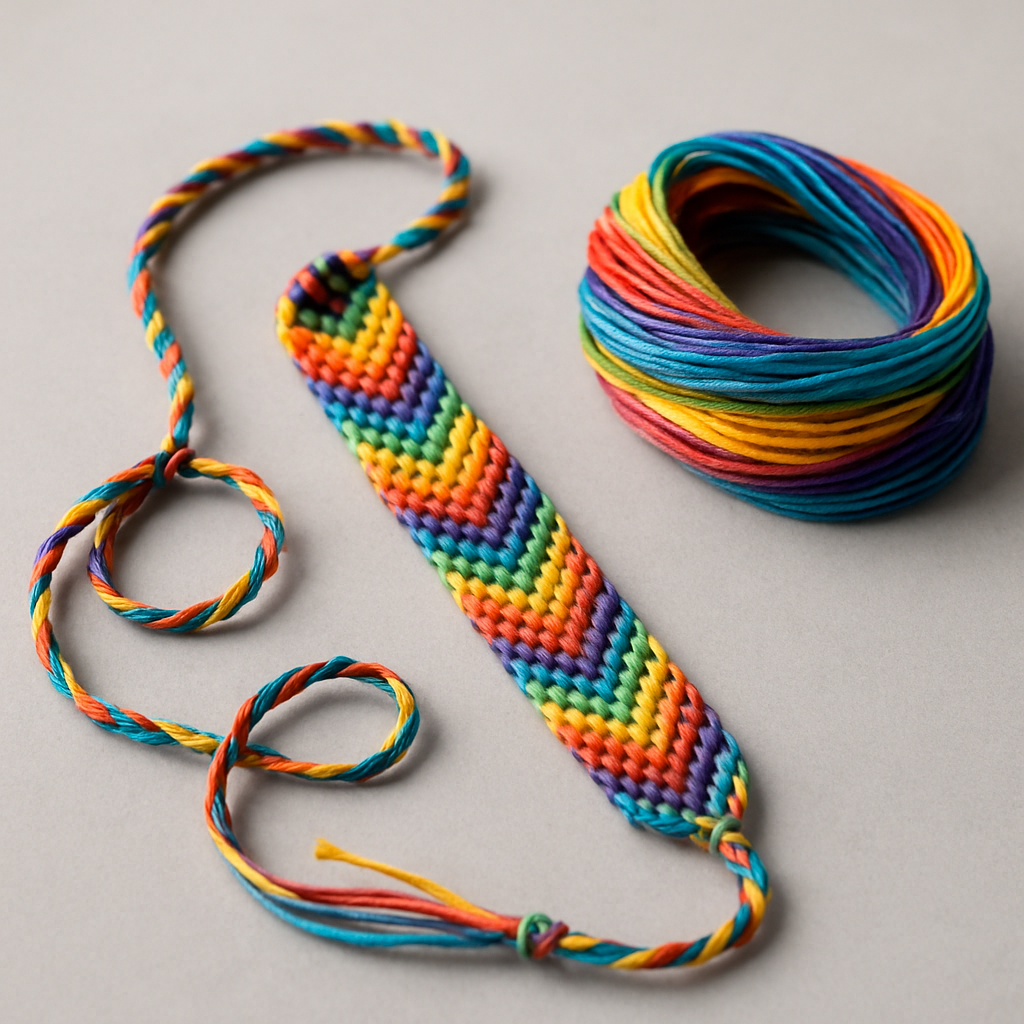
Nylon offers excellent tensile strength and abrasion resistance, making it a go-to for macramé, friendship bracelets, and charm stacking. Braided nylon (micro cord, paracord, or Chinese knotting cord) handles repeated friction and tight knots well. Waxed nylon or polyester adds grip, helping square knots and sliding knots stay locked. For delicate gemstone strands and pearl bracelets, silk remains a classic: it knots beautifully, drapes with a soft hand, and is favored for traditional aesthetics. Polyester beading thread is a modern alternative—less prone to stretching and rot, and more colorfast in sweaty or humid conditions.
Leather and cotton cords add earthy texture. Use 1.0–2.0 mm leather for rustic cuffs and larger-hole beads; seal cut ends to prevent wicking and fray. Waxed cotton and hemp excel in boho macramé and braided styles, but test for colorfastness if the bracelet might get wet. Stainless steel beading wire (7-, 19-, or 49-strand) shines for heavy beads and polished, professional finishes. Its multi-strand construction blends flexibility with pull strength, and when paired with quality crimps and wire guardians, it stands up to metal charms and daily wear.
Match diameter to bead holes and design weight. For seed beads and dainty accents, 0.3–0.5 mm threads and fine needles are practical. For 6–8 mm gemstones, 0.5–0.7 mm elastic or doubled 0.25–0.35 mm thread can work. For macramé with 8–10 mm accent beads, 1.0 mm nylon or waxed polyester is a reliable baseline. A quick stress test—five to ten firm tugs after knotting—reveals whether your chosen diameter and material can handle real-world strain.
Techniques That Maximize Strength, Comfort, and Aesthetics
Strength starts with knot choice. On elastic, a surgeon’s knot (a double overhand wrap before cinching) grips better than a basic square knot. Add a tiny dab of flexible, jewelry-safe adhesive for insurance; avoid brittle superglues that can crystalize and saw through elastic over time. Let adhesive cure fully before trimming tails, and, if possible, pull the knot into a larger bead or use a crimp cover for a clean finish. On nylon or waxed cords, a well-set square knot or double fisherman’s knot locks securely. For braided nylon, lightly melting the trimmed ends with a thread burner prevents fray; shape the warm nub with a tool for a smooth finish that won’t scratch skin.
Sliding closures elevate adjustability and comfort. A two-knot sliding design—where each tail passes through the opposite knot—lets the bracelet expand for the hand and tighten for the wrist. Waxed polyester or braided nylon works well here, as the coating helps knots grip without fusing. For shamballa and macramé styles, ensure the center cords stay parallel and tension remains even; inconsistent tension produces uneven patterns and stress points where cords can wear prematurely.
If you prefer clasps, stainless beading wire with quality crimps and wire guardians provides a polished, serviceable build. Use the correct crimp size for your wire diameter, and compress with a dedicated crimping tool (not general pliers) to achieve a secure, rounded profile that won’t snag. Add jump rings to isolate movement between clasp and wire; this reduces kink stress. For gemstone strands, consider French wire (bullion) or wire guardians to shield thread at the clasp, and knot between beads to prevent mass loss if the strand ever breaks.
Comfort is equally critical. Hidden knots tucked inside larger beads minimize irritation. Trim ends flush and burnish any sharp metal edges on crimps or jump rings. Choose hypoallergenic components—stainless steel, titanium, or nickel-safe platings—if the bracelet includes metal parts contacting skin. A soft drape complements most wrists: silk or fine polyester for heirloom restrings, and 49-strand beading wire for flexible, professional lines. Always test fit, roll the bracelet over your hand, and check for pinch points or hot spots before finalizing.
Durability, Care, and Smart Sourcing for Makers and Repair Pros
Daily wear exposes bracelets to sweat, lotion, UV, and abrasion, so plan protection into your bracelet string choices. Nylon and polyester resist moisture better than cotton; waxed variants add extra shield against fray. Elastic thrives when it’s not overstretched—size so it slides on with a gentle roll rather than a hard pull. Stainless beading wire resists kinks in higher strand counts, and quality clasps prevent accidental openings. For outdoor or active lifestyles, paracord and braided nylon excel; they shrug off water and sun better than natural fibers, though any bright color can fade under prolonged UV. Colorfast, solution-dyed cords help maintain vibrancy.
Care tips extend service life: encourage users to remove bracelets before swimming or hot showers, wipe them dry after workouts, and store them away from direct sunlight. For silk strands, occasional gentle cleansing with a damp cloth preserves luster; avoid soaking. For leather, use a conditioner sparingly and keep away from harsh solvents. If a bracelet becomes gritty, rinse cords carefully to remove abrasive particles that accelerate wear, then dry fully before re-wearing.
Real-world scenarios clarify selection. A gym-friendly stretch bracelet with 8 mm stones performs best on high-grade 0.8–1.0 mm TPU elastic, double-strung through larger beads, finished with a surgeon’s knot and flexible adhesive, knot hidden under a 10 mm focal bead. A beach-ready macramé anklet thrives on 1.0 mm waxed polyester—knots grip, colors endure, and melted tips resist fray. A keepsake pearl restring prefers silk or fine polyester thread, with knots between each pearl, French wire at the clasp, and a secure lobster clasp for longevity. For a weighty metal-charm bracelet, 49-strand beading wire with proper crimps and wire guardians offers the most reliable backbone.
Sourcing smartly saves time and reduces failures. Look for multi-pack spools to standardize colors across batches, and stock diameters you use most—0.5, 0.7, 1.0, and 1.5 mm cover most day-to-day builds. Keep essential tools on hand: precision cutters, a thread burner, crimping pliers, micro-needle sets for fine beads, calipers for checking bead holes, and storage boxes to prevent kinks and tangles. Restocking from a well-organized hardware and DIY marketplace helps consolidate supplies like clasps, jump rings, heat-shrink sleeves, and measuring tools along with your preferred bracelet string. For studio makers and repair pros, buying in bulk ensures consistency across collections and reduces per-piece cost—critical for both customer satisfaction and margins. With thoughtful material choices, proven finishing methods, and reliable sourcing, your bracelets will earn repeat wear and repeat business.

Sofia cybersecurity lecturer based in Montréal. Viktor decodes ransomware trends, Balkan folklore monsters, and cold-weather cycling hacks. He brews sour cherry beer in his basement and performs slam-poetry in three languages.