
Bringing home new aquarium residents should feel exciting, not stressful. With modern live fish delivery services in the UK, it’s now possible to receive healthy, well-packed tropical and cold-water fish right at your door—without compromising welfare or water quality. For hobbyists from London flats to cosy cottages in the Highlands, careful logistics, expert husbandry, and proven packaging techniques make safe, convenient delivery a reality. Whether you’re building a community tank, refreshing a planted aquascape, or adding a statement shoal, the right partner ensures your fish travel securely and settle in quickly.
Behind every safe arrival is a blend of aquarist know-how and precise shipping practices: health screening, species-appropriate packing, temperature management, and time-definite couriers. The result is a smoother path from selection to acclimation, so your new fish can begin exploring their new home with minimal stress. With a family-run ethos and UK-wide reach, the focus stays on welfare first, reliability second, and long-term hobby success always. That’s the promise of truly dependable live fish delivery UK—expert care before, during, and after the journey.
How Live Fish Delivery Works in the UK—From Tank to Doorstep
The journey of a live fish from breeder’s tank to your aquarium is a delicate chain of specialised steps. It starts with selection and observation. Healthy fish are chosen based on robust colouration, steady breathing, consistent appetite, and confident swimming. Before shipping, fish are often rested and fasted for 24–48 hours to reduce waste production in transit, keeping transport water clearer and less prone to ammonia spikes. This small act dramatically improves their comfort in the bag and reduces post-arrival stress.
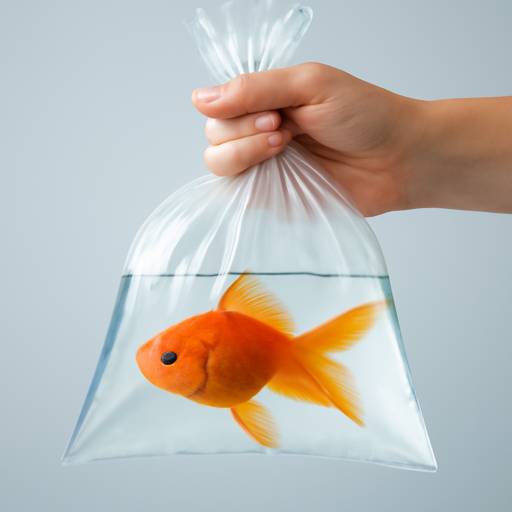
Next comes water conditioning and packaging. Fish are typically double-bagged with dechlorinated, buffered water and pure oxygen, with the bag secured to prevent corners where small fish might get trapped. Reputable packers use insulating liners and sturdy boxes designed to keep temperatures stable. Heat packs or cool packs are added seasonally to maintain a safe thermal range. A well-prepared parcel will arrive with water that’s clean, oxygen-rich, and near your home’s ambient temperature, protecting even sensitive species such as dwarf gourami, rams, or certain tetras.
Time is the third crucial factor. Specialist overnight couriers help minimise transit duration by delivering on a next-day, pre-noon schedule wherever possible. Dispatch is usually planned early in the week to avoid weekend delays, with pauses during extreme weather. This is not just convenience—it’s core to fish welfare. The fewer hours a fish spends in a bag, the better its chances of a smooth acclimation. Responsible teams make judgment calls to hold orders if a cold snap or heatwave threatens safe travel, and they keep customers updated with clear tracking and delivery windows.
On arrival, robust outer boxes, intact seals, and steady temperatures signal a good journey. Many UK suppliers also include a simple acclimation guide for quick reference. If ever there’s an issue despite best practice, reputable sellers offer support and transparent policies. In short, excellent live fish delivery depends on disciplined preparation, careful packing, and reliable logistics—all orchestrated around the well-being of the fish. When these pieces click into place, new arrivals step into your aquarium bright-eyed, active, and ready to explore.
Choosing the Right Fish and Preparing Your Aquarium
Success with delivered fish starts before you click “buy.” Matching species to your setup—and to each other—prevents stress and sets the stage for long-term health. Consider adult size, temperament, schooling needs, and preferred water parameters. Peaceful community fish like rasboras, corydoras, and many livebearers thrive in groups, while semi-territorial species, such as some cichlids or gouramis, need space, line-of-sight breaks, and compatible tankmates. If you’re adding fish to a planted tank, think about how species will interact with foliage and substrate; many nano fish shine in densely planted layouts where they feel secure.
Water chemistry matters. Aim to choose fish that align with your tap water or your established parameters. Soft, slightly acidic water suits many South American tetras and apistogrammas; harder, alkaline water favours livebearers like guppies and mollies. Stability beats perfection. A fully cycled filter with steady ammonia and nitrite at zero and nitrate kept low via water changes creates a buffer against the mild stress of shipping. Strong flow isn’t always best—gentle, well-oxygenated circulation with a good biological bed is typically ideal for community setups.
Before your delivery date, prepare the aquarium: clean the glass, prune plants, and perform a moderate water change 24–48 hours in advance to avoid temperature or pH swings on arrival day. Dim the lights and have a net, bucket, and thermometer ready. For many hardy community fish, a simple acclimation routine works well: float the sealed bag for 15–20 minutes to equalise temperature, then gradually add small amounts of tank water over another 15–30 minutes. For more delicate or wild-caught species, a controlled drip acclimation may be preferable to prevent osmotic shock.
Quarantine is the gold standard for any new arrivals. A basic 20–60 litre quarantine tank with a sponge filter, heater, and some hiding spots lets you observe feeding behaviour and breathing rate, and ensures your main display remains free from stowaway parasites or pathogens. Two to four weeks of watchful care, consistent feeding with high-quality diets, and regular water changes yield major dividends. With mindful selection, thorough preparation, and calm, methodical acclimation, live fish delivery becomes not just convenient—but a dependable way to expand your aquatic world.
UK-Wide Service Scenarios, Care Standards, and Real-World Results
Across the UK, different home environments call for tailored delivery and settling-in strategies. In busy city flats, delivery windows are especially helpful so someone is present to receive and acclimate fish without delay. In suburban homes where storage is easier, a simple quarantine system can remain permanently set up, speeding safe integration of new stock. In rural or coastal areas with variable weather, responsible sellers closely monitor forecasts and select dispatch dates that prioritise fish safety over speed. Each scenario benefits from a shared principle: careful planning that keeps fish comfort central.
Consider a common urban example: a London aquarist adds a shoal of cardinal tetras to a 120-litre planted tank. With a scheduled morning delivery, the fish arrive before midday in an insulated box. After a temperature float and gradual acclimation, the tetras slip into the shaded midwater layers beneath floating plants. Lights stay dim for the first day to reduce stress, and a small, frequent feeding of fine granules or thawed micro foods helps re-establish routine without overloading the filter. Within 48 hours, colour deepens and shoaling behaviour looks natural—signs of a well-executed journey.
Another scenario: a family in Manchester receives a pair of dwarf gouramis. The fish are packed with oxygen and a seasonal heat pack to offset a cool snap. After cautious acclimation and a brief quarantine period, the gouramis settle into a calm community tank with gentle flow and leafy cover. Because the fish were rested and fasted pre-shipping, water in the bag remains clean, and ammonia remains controlled. Weeks later, the pair patrols confidently among stems and wood, a living testament to careful handling, robust packing, and patient acclimation.
Sustainability and welfare also play vital roles in modern live fish delivery UK practices. Recyclable outer boxes and responsibly sourced insulation reduce waste, while feeding pauses, water conditioners, and oxygenation protect fish health. Transparent species information—adult size, temperament, and care level—helps prevent mismatches and unnecessary returns. Most importantly, aftercare support ensures hobbyists have guidance on water quality, feeding, and behaviour, preventing small issues from becoming big ones. For a dependable partner offering nationwide service and expert care, explore live fish delivery UK for a seamless path from selection to safe arrival.
Finally, timing and restraint complete the picture. Resist the urge to feed immediately upon arrival; allow fish to rest and observe their breathing, posture, and interactions first. Introduce new fish to stable lighting schedules and maintain high oxygen with gentle surface movement. Over the first week, build up to full feedings with varied, high-quality nutrition—fine granules for nano fish, sinking wafers for bottom dwellers, and occasional frozen or live treats to spark natural foraging. These small, steady steps compound into strong coloration, confident behaviour, and resilient health—the hallmarks of a successful delivery and a thriving home aquarium.

Sofia cybersecurity lecturer based in Montréal. Viktor decodes ransomware trends, Balkan folklore monsters, and cold-weather cycling hacks. He brews sour cherry beer in his basement and performs slam-poetry in three languages.