
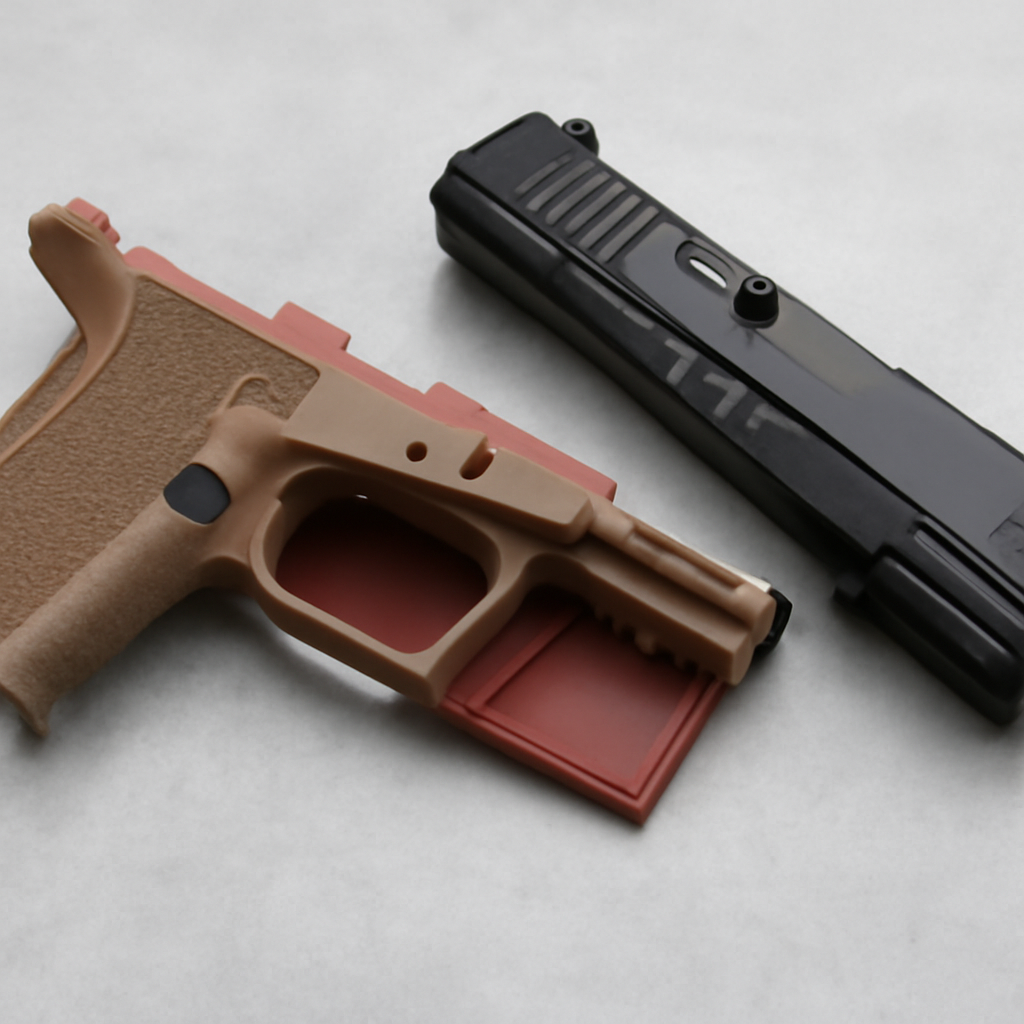
The PF940SC has become a focal point for firearm enthusiasts who value a compact footprint, modern ergonomics, and the versatility of Glock-compatible components. As a subcompact platform typically aligned with G26/G27 sizing, it appeals to hobbyists interested in fine-tuning grip geometry, texture, and parts selection to achieve a personalized fit and feel. While customization is the draw, responsible ownership remains paramount: federal, state, and local laws govern how parts and components are purchased, configured, and possessed. Understanding those rules, along with safe handling and storage practices, ensures projects remain both satisfying and compliant. For many, exploring the pf940sc category is as much about ergonomics and parts compatibility as it is about building skills, range discipline, and long-term reliability.
Design, Ergonomics, and Compatibility: Why the PF940SC Attracts Subcompact Fans
At its core, the PF940SC is a subcompact format that aims to optimize control and concealability in a smaller package. While the overall envelope mirrors the dimensions associated with G26/G27-compatible builds, the appeal of this platform rests on its modern polymer ergonomics. Enthusiasts often cite the more vertical, 1911-inspired grip angle seen across many Polymer80-style frames and the enhanced beavertail as reasons for improved comfort and pointability. Subtle differences in geometry, like an undercut trigger guard and textured grip surfaces, can translate into better purchase and recoil management—features that help smaller guns shoot like bigger ones, at least from a control perspective during rapid strings.
Compatibility within the Glock ecosystem is another major draw. The subcompact format opens doors to a wide array of Glock-pattern slides, barrels, recoil assemblies, and small parts, allowing hobbyists to tailor components to their preferred balance of durability, weight, and performance. Many users look for steel or nitrided internals, precise slide-to-frame pairing, and sight options that support their training goals. The PF940SC platform’s popularity is partly due to how it harmonizes with that broader aftermarket; everything from striker assemblies to magazine releases can be selected to fine-tune the shooting experience. When combined with quality sights—whether steel, tritium, or fiber-optic—the result can be a compact setup with consistent indexing and improved visibility in variable lighting.
Materials also matter. Polymer-based frames with reinforced structures can offer a compelling weight-to-strength ratio, lending themselves to daily range use without feeling cumbersome. Combined with slide options in different profiles and coatings, enthusiasts can balance corrosion resistance and aesthetics. Texture and grip contours work in synergy with these choices: a firmer texture may suit gloved environments or humid conditions, while more moderate textures can be comfortable during long practice sessions. The bottom line is that the PF940SC platform caters to shooters who want a subcompact that doesn’t compromise on control, and who appreciate a robust, standardized parts universe that keeps maintenance and future upgrades straightforward. Selecting proven components, testing them methodically at the range, and prioritizing reliability over novelty helps ensure that the finished configuration performs as expected.
Compliance, Responsible Ownership, and Best Practices for Subcompact Projects
Before any parts selection or customization begins, it’s essential to understand that laws vary by jurisdiction. Federal regulations in the United States establish a baseline for firearm-related components, but state and local rules can be more restrictive—sometimes much more so. Requirements can include serialization mandates, background checks at the point of sale, waiting periods, or registration steps that affect not only complete firearms but also certain parts or receiver components. Some locations have additional rules governing possession, transport, and permitted features. Responsible enthusiasts take the time to verify the current legal status of any parts or projects in their area and keep records of purchases and compliance steps for their own due diligence.
Responsible ownership extends well beyond legality. Safe handling protocols—treating every firearm as loaded, maintaining muzzle discipline, keeping the trigger finger indexed until on target, and confirming a safe backstop—are non-negotiable. Proper storage, such as a locked safe or secure cabinet, prevents unauthorized access, especially in homes with children or visitors. Many owners also adopt layered safety practices: lockable storage, separate locked storage for ammunition, and discreet access control strategies for added peace of mind.
Training is key for subcompact platforms. Their shorter sight radius and lower mass can magnify small technique errors, so investing in fundamentals pays dividends. Consider enrolling in reputable safety and marksmanship classes to refine grip pressure, stance, and recoil management. Dry-fire practice (observing all safety guidelines and ensuring no live ammunition is present) can help reinforce trigger control and sight alignment. On the live-fire side, start with slow, deliberate strings to confirm reliability with chosen ammunition. Keep a log of round counts, maintenance intervals, and any component changes. If replacing parts, test changes incrementally—altering one variable at a time makes it easier to isolate issues and confirm function.
Transport adds another compliance layer. Some jurisdictions require unloaded transport in a locked case, with ammunition stored separately; others have specific vehicle or travel constraints. If attending classes, matches, or range days across county or state lines, confirm transport and possession rules in both the origin and destination. When in doubt, consult official sources or a qualified attorney for current guidance. Legal diligence, continuous training, and conscientious storage create a responsible framework that supports the enjoyment of a customized PF940SC-style setup while honoring community safety expectations.
Customization Scenarios, Accessory Ecosystems, and Real-World Use Cases
One of the strengths of a PF940SC-aligned project is the breadth of customization paths. Enthusiasts often start by defining a use case—general range practice, skill development with a subcompact form factor, or a training stand-in that mirrors an existing carry-size pistol’s trigger and sight picture. With those goals set, it’s easier to navigate the accessory ecosystem. For slides, the aftermarket spans from minimalist, no-frills designs to options with front serrations, fluting, or optic cuts. While subcompact optics require thoughtful selection to preserve reliability and holster fit, modern micro red dots designed for small pistols can offer faster target acquisition if properly installed and zeroed. Traditionalists might stay with robust steel sights, choosing heights that co-witness with a given slide or optic profile.
Trigger components are another area of interest. The aim is consistency: a predictable break and tactile reset that complements a shooter’s technique. Many users prefer durable, factory-spec springs for reliability; others explore tuned setups as long as spark, primer sensitivity, and ignition reliability remain uncompromised. Magazines, baseplates, and followers can also be tailored. Some opt for OEM components, while others choose reputable aftermarket options vetted through extensive testing. Simple reliability drills—load variations, different bullet weights, and both slow-fire and rapid strings—help confirm that a chosen combination performs across conditions.
Case studies from range communities commonly highlight incremental refinements. For instance, a hobbyist might begin with a subcompact slide and standard-height steel sights, then add front serrations for improved manipulation, followed by a slight grip texture enhancement to maintain control during fast pairs. Another shooter could prioritize concealability during off-range travel by selecting low-profile controls and a holster cut that protects the trigger guard while allowing a clean draw during supervised classes. Across scenarios, the pattern remains consistent: pick well-supported components, verify compatibility, assemble within legal boundaries, and test thoroughly before making additional changes.
Local realities often drive decisions. In areas with higher humidity, corrosion resistance becomes more important—coated slides, quality nitrided barrels, and stainless small parts can add longevity. In colder climates, shooters may emphasize grip texture and larger control surfaces to accommodate gloved use. Wherever the setting, document changes and keep a maintenance routine. Lubrication, recoil spring replacement at reasonable intervals, and periodic inspection of locking surfaces are prudent steps for long-term function. With a thoughtful plan, the PF940SC-style platform can serve as a compact, controllable, and customizable foundation that grows alongside a shooter’s skills, preferences, and training goals—while remaining anchored to safety, legality, and reliability at every turn.

Sofia cybersecurity lecturer based in Montréal. Viktor decodes ransomware trends, Balkan folklore monsters, and cold-weather cycling hacks. He brews sour cherry beer in his basement and performs slam-poetry in three languages.